- Edit Songs On Garageband
- How To Edit Songs On Garageband Mac Pro
- How To Cut In Garageband
- How To Edit Songs On Garageband Mac Pro
In iOS 11, the My Songs browser in GarageBand works together with the Files app to keep your songs up to date across all your iOS devices. To browse your songs when you have a song open: Algoriddim djay pro 2 v2. 0. 4 1.
- On your iPhone, tap , then tap My Songs.
- On your iPad, tap My Songs.
Share songs with GarageBand for iPhone. You can share a song as a GarageBand project or as an audio file. You can share GarageBand songs to a Mac, to SoundCloud or to another app on your iPhone. You can also send a song in an email, share it to nearby devices using AirDrop or use it as a ringtone. Using the GarageBand Track Editor in iLife ’11, you can view the music in a region as though you’re seeing it in a microscope, viewing either the actual notes in a Software Instrument track or the waveform of a Real Instrument track. To open the Track Editor, select the track to edit and click the.
Browse songs
- Aug 02, 2019 GarageBand is among them. This is a digital audio workstation that gives Mac users the ability to record and edit music and podcasts. It is compatible with MIDI keyboards and other instruments, and can also use loops stored on your Mac. It is a part of the bundle most Mac users get with their OS which also includes iMovie and iPhotos.
- How to Edit Songs From Your ITunes Library on GarageBand Step 1: Open GarageBand on Your Mac. SIDE NOTE: When naming your project, it may ask for tempo, BPM. Step 2: Open the Media Browser. The 'Media Browser' is a collection of your songs from iTunes. Step 3: Drag Song (s) Onto the Screen.
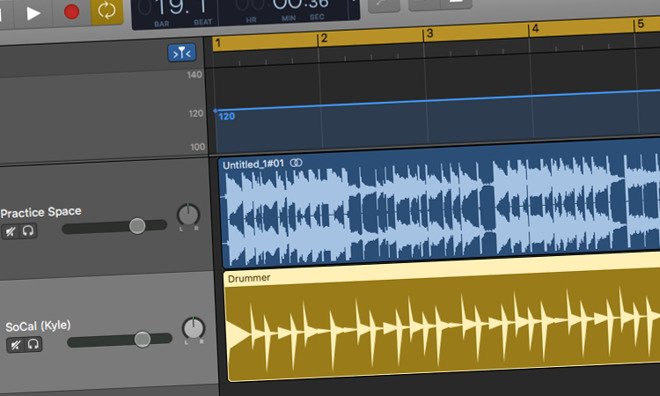
To browse locations where you've stored songs, tap Browse in the My Songs browser—you might have to tap more than once. In the Browse menu, tap a location to open it in the browser. Locations can include your device and iCloud Drive.
You can also browse your songs by doing any of the following:
- To see songs you’ve opened recently, tap Recents.
- To look for a specific song, tap in the Search field at the top of the window, then enter all or part of the name of the song.
- To sort songs by different criteria, tap Name, Date, Size, or Tag.
- To view the documents as thumbails or a list, tap .
- To see the documents that share a tag, tap a tag in the Browse menu.
Organize your songs with folders and tags
You can keep your songs organized by creating folders and storing songs in them. To create a folder:
- Tap Browse in the My Songs browser then tap a location.
- Swipe down, then tap .
- Name the new folder, then tap Done.
- To create a new song in that folder, open the folder, then tap Create Document. GarageBand automatically saves the song in that location until you move it.
You can also use tags to organize your songs and audio files. Tags make it easy to quickly find the song or other file you need.
Tag a song
- Tap Select, then tap the document thumbnail so a checkmark appears on it.
- Tap Share on your iPad, or tap on your iPhone, then tap .
- You can select an existing tag, or create your own. To create your own tag:
- Tap Add New Tag.
- Enter a name for the tag and select a color.
- Tap Add Tag. You can tag documents with the new tag, and the tag also appears in the Browse menu.
Manage tags
- Tap Browse to open the Browse menu, then tap Edit.
- Tap the name of an existing tag.
- Then enter the name of your new tag.
- Tap Done.
Manage songs
You can share, move, copy, and delete songs in the My Songs browser or the Files app. Tap Select, tap the document thumbnail so a checkmark appears on it, then tap the option you want at the bottom of the screen.
- To share a song, tap Share on your iPad, or tap on your iPhone, then choose how you want to share the song.
- To copy or move the song to another folder or location, tap Move on your iPad, or tap on your iPhone, select the new location, then tap Copy or Move. If you’re copying songs between locations from iCloud Drive to your device, a copy of the song remains in the original location.
- To delete a song, tap Delete on your iPad, or on your iPhone.
Work with audio files
If you want to use audio files in GarageBand for iOS 2.3, use iTunes File Sharing on your Mac or PC to add them to your iOS device. Then, access the files from the GarageBand File Transfer folder on your iOS device.
To add audio files to your device using iTunes File Transfer:
- Open iTunes on your Mac or PC.
- Connect your iPad or iPhone to your computer using the USB cable that came with your device.
- Click your device in iTunes. Get help if you can't find it.
- In the left sidebar, click File Sharing.
- Select GarageBand, then drag files from a folder or window onto the Documents list to copy them to your device.
If you’re upgrading to GarageBand for iOS 2.3 and have existing audio files on your device, GarageBand automatically moves the files to the GarageBand File Transfer folder after upgrading.
Add audio files to your song
After you've added the audio file to the GarageBand File Transfer folder, you can them add the audio file to your song.
- Open GarageBand on your iOS device, and open the song you want to add an audio file to.
- If necessary, tap to open the song in Tracks view.
- Tap to open the Loops browser. If a dialog appears asking if you want the files moved to the GarageBand File Transfer, tap Move Files.
- Tap Audio Files, then drag the file to the Tracks area in GarageBand.
Add audio files from a third-party cloud service
If you want to add audio files saved in a third-party cloud service or another location, copy them to the GarageBand File Transfer folder using the Files app.

- Open Files app, then tap Browse.
- In the Browse menu, tap the location where the file is stored, then locate the file.
- Tap Select, then tap the file so a checkmark appears on the file.
- Tap Move, tap On My [device], then tap the GarageBand folder.
- Tap the GarageBand File Transfer folder, then tap Copy. You can now add the file to your song using the Loops browser in GarageBand.
Learn more
Edit Songs On Garageband
- Learn more about using third-party cloud services with GarageBand for iOS.
Using the GarageBand Track Editor in iLife ’11, you can view the music in a region as though you’re seeing it in a microscope, viewing either the actual notes in a Software Instrument track or the waveform of a Real Instrument track.
To open the Track Editor, select the track to edit and click the Editor button (the one with the scissors) in the lower left corner of the GarageBand window (or choose Control→Show Editor). The Track Editor appears below the timeline and Transport buttons and has its own Zoom slider. Depending on the type of track, you see either a note-by-note representation of a Software Instrument or the waveform of a Real Instrument.
How To Edit Songs On Garageband Mac Pro
With both kinds of tracks, you can move the region forward (to the right) or backward (to the left) in the timeline. You can zoom in to see larger notes or a more detailed waveform by dragging the Track Editor’s zoom slider in the lower left corner.
Editing Real Instrument tracks in GarageBand ’11
Your performance with a Real Instrument may be slightly off the beat, but you can use the Track Editor to edit the track in one of these ways:
Move a region to adjust its location in the song. You can move a region precisely in order to line it up with the beat.
Adjust the timing with flex time. You can drag any part of the waveform to change the timing of a note or beat.
Stretch or shorten the timing of a Real Instrument performance by using flex time.Select, and then cut or copy, a section of a region and paste it into one or more locations in the song. You can cut or copy part of a Real Instrument region and paste it over another part of a region or in another place in the track.
How To Cut In Garageband
Editing Software Instrument tracks in GarageBand ’11
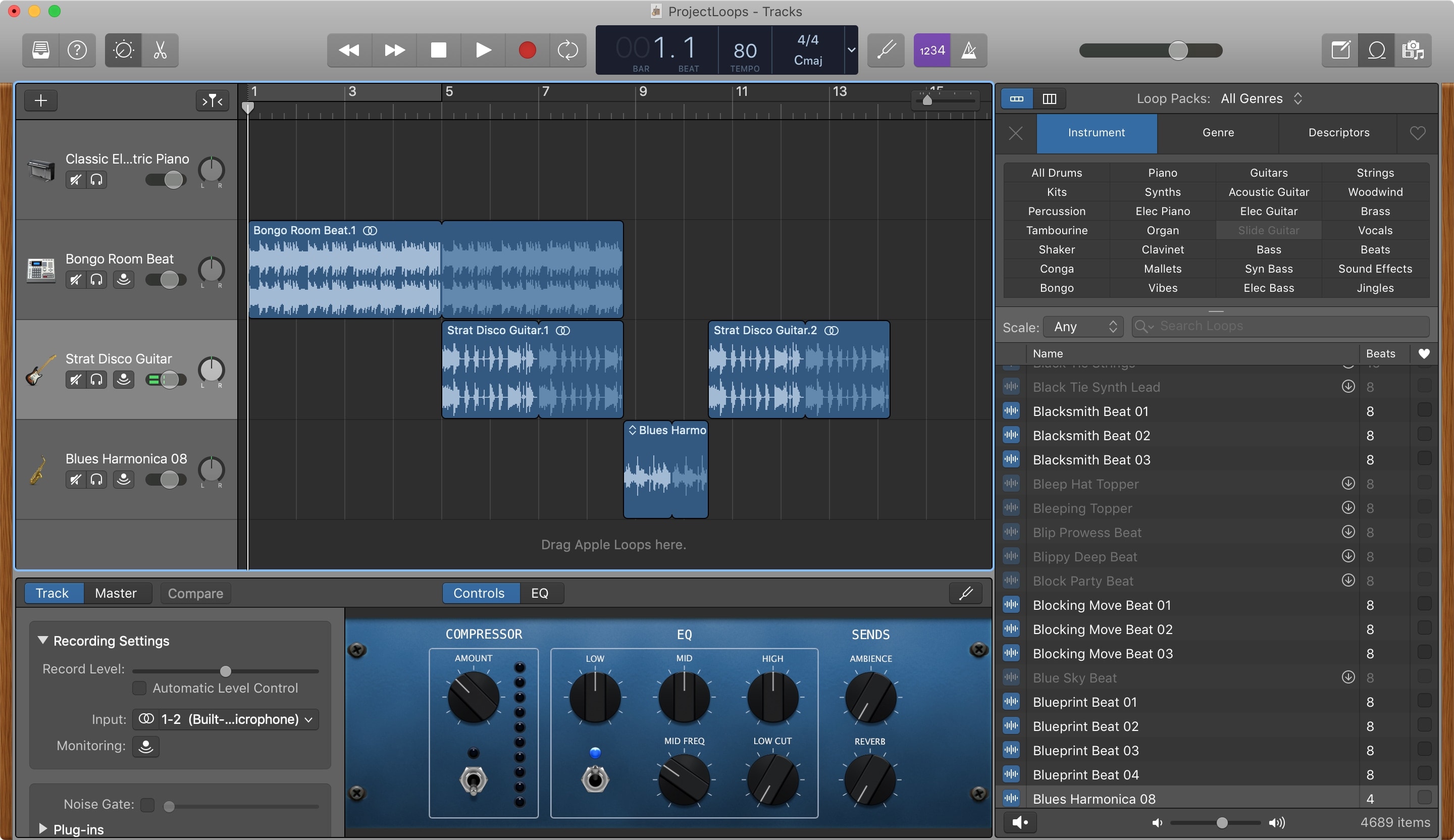
Software Instruments were made for the kind of editing the Track Editor enables you to do. Using the Track Editor, you can change the actual notes of a Software Instrument track (performance or loop), including the note’s duration, pitch, velocity, and location in the timeline. You can also adjust the pitch and fix the timing of notes automatically.
How To Edit Songs On Garageband Mac Pro
When you open a Software Instrument region in the Track Editor, it starts out in Piano Roll view, which looks like an old-style piano roll with holes that served as instructions to a player piano. The following list describes the different ways you can edit the notes in the Track Editor’s Piano Roll view:
Shorten or lengthen the duration of a note: Drag the lower right corner of the note to resize it. As you drag, the note’s edges snap to the lines in the beat ruler.
Change a note’s starting point: Drag the note itself to the left or right, using the timeline grid as a guide.
Change a note’s pitch: Drag the note up or down.
Change the note’s velocity (from soft to hard): Drag the Velocity slider from left to right.